
Report: How to Create Better Labor Market Conditions for Migrant Ukrainians
Abstract
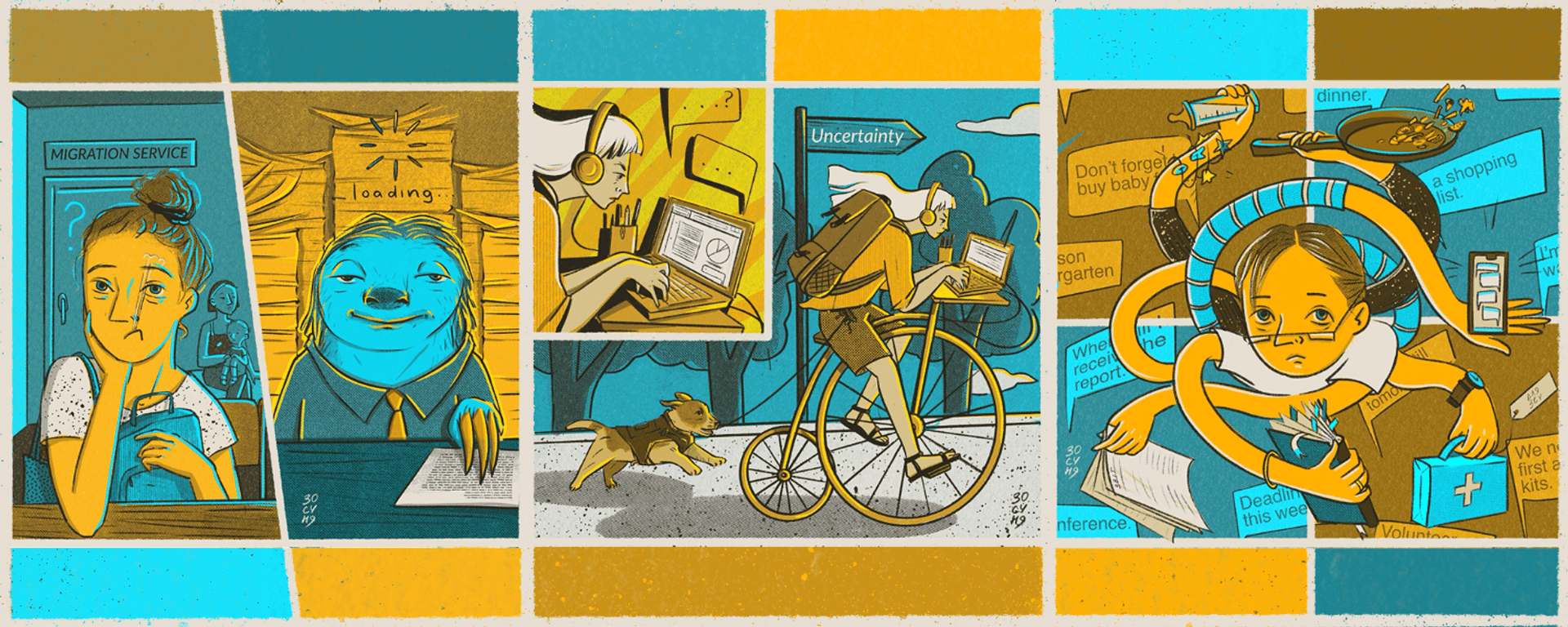
This research examines labor market conditions for Ukrainian migrants following the 2022 war, which displaced 16M+ people internally and externally. The study uses environmental scanning methodology, analyzing online interviews with refugees and support organizations. Three key topics emerged:
- Migration Policy — family under stress
- Mobile Economy — flexible contracts
- War Fatigue — mental support
The research invites collaboration from global businesses, policymakers, Ukrainian diaspora organizations, and migrant women seeking employment.
Key Findings
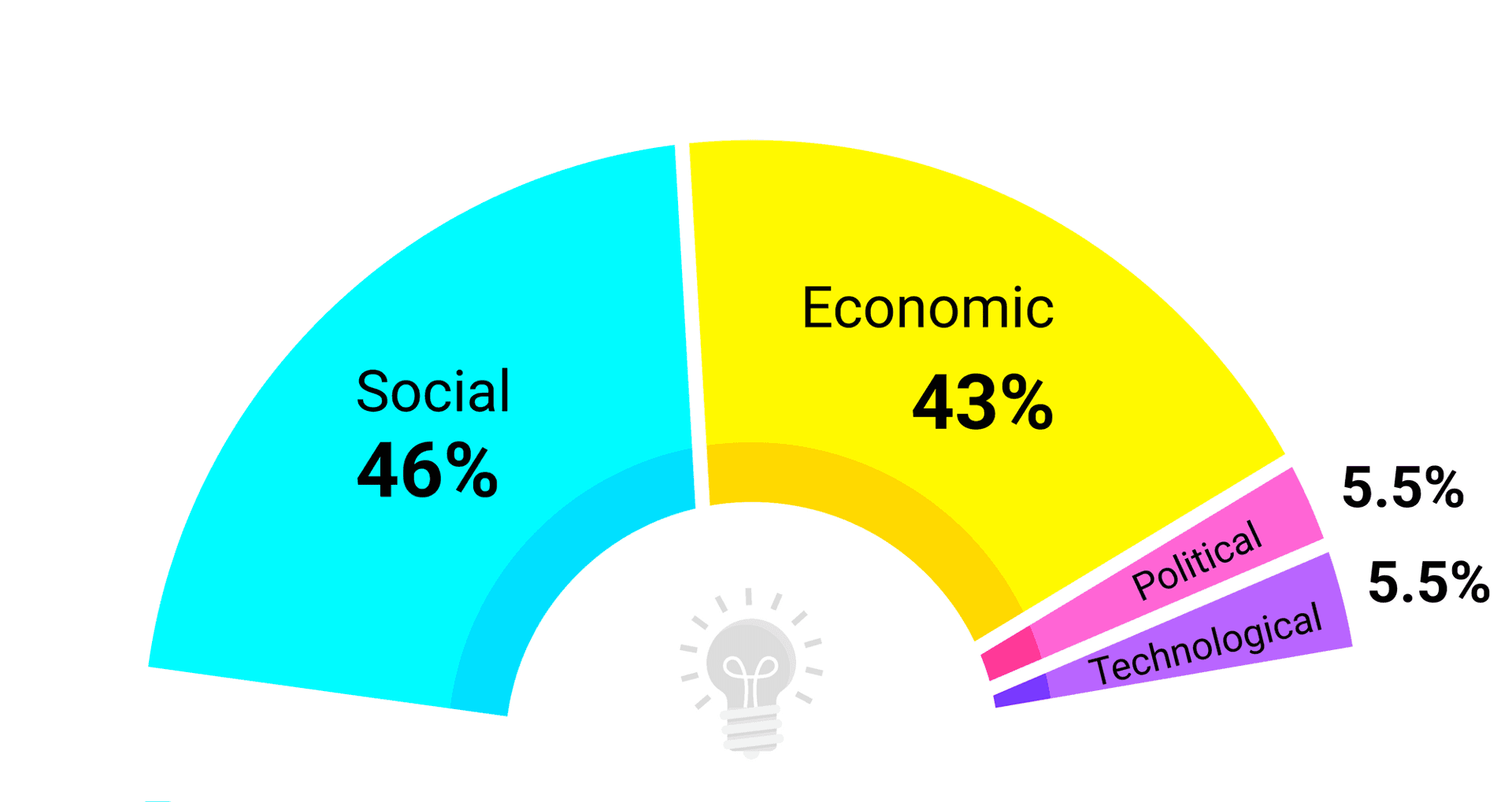
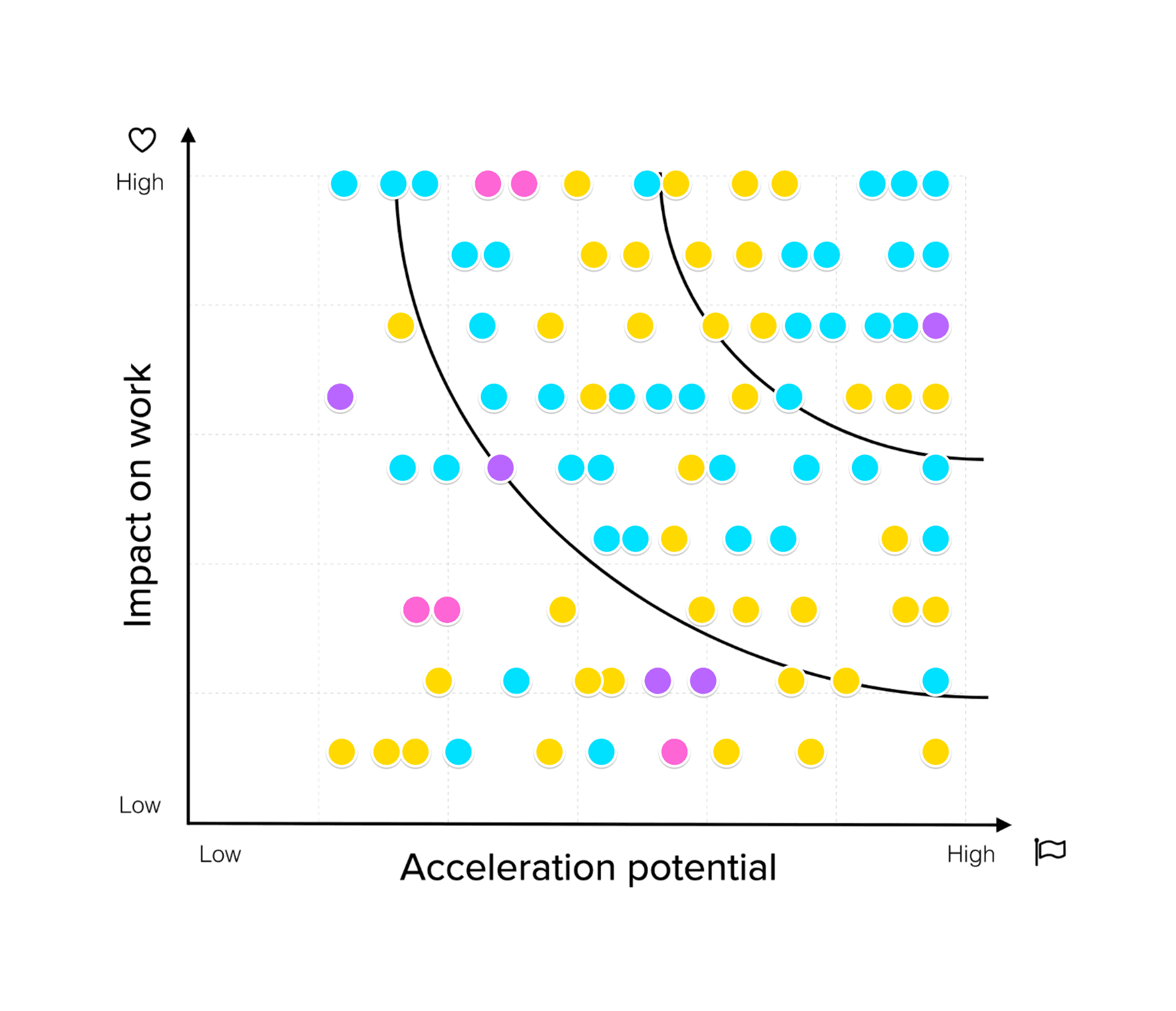
Signals distribution showed predominantly social and economic challenges, with limited technological and political trend impacts. No ecological challenges were identified.
Migration Policy — Family Under Stress
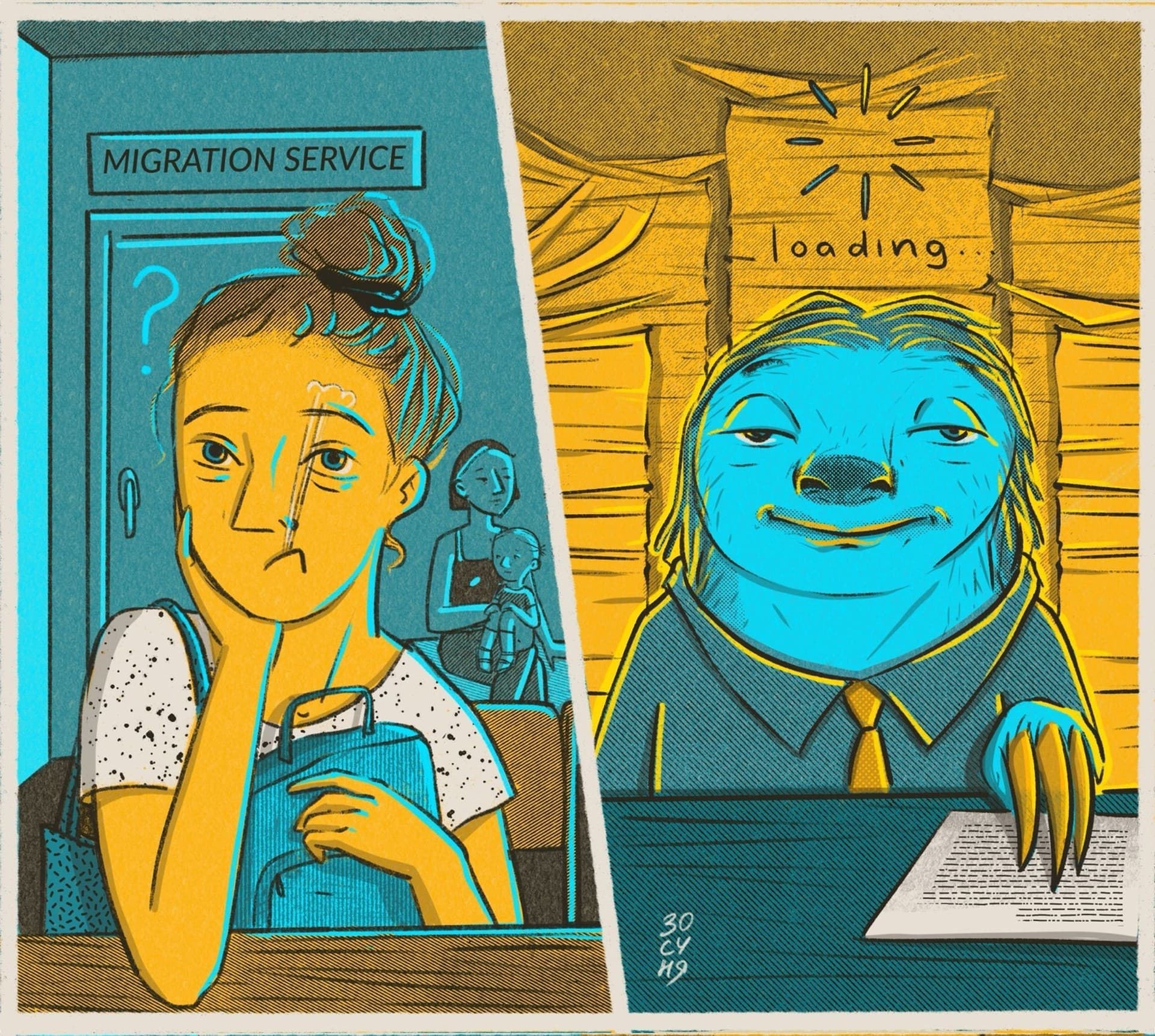
Martial law restricts men aged 18–60 from leaving Ukraine. As of July 2022, over 5.7M refugees were recorded across Europe, with 8M+ internally displaced. Approximately 90% are women and children, disrupting families and creating demographic shifts.
Most refugees plan to return but doubt quick resolution. Extended conflict may trigger brain drain among high-skilled workers and students.
Supply/Demand Gap
- Language and cultural barriers
- Women's safety concerns (human trafficking, abuse)
- Legal status complications (taxes, banking)
- Limited childcare time while maintaining employment
- Social assistance insufficient relative to living costs
- Poor embassy communication
- Age and gender demographic structural changes
Opportunities
- Strengthen diaspora self-help communities
- Empower women economically
- Enable expertise and educational exchange
- Evolve migration policies
Mobile Economy — Flexible Contracts
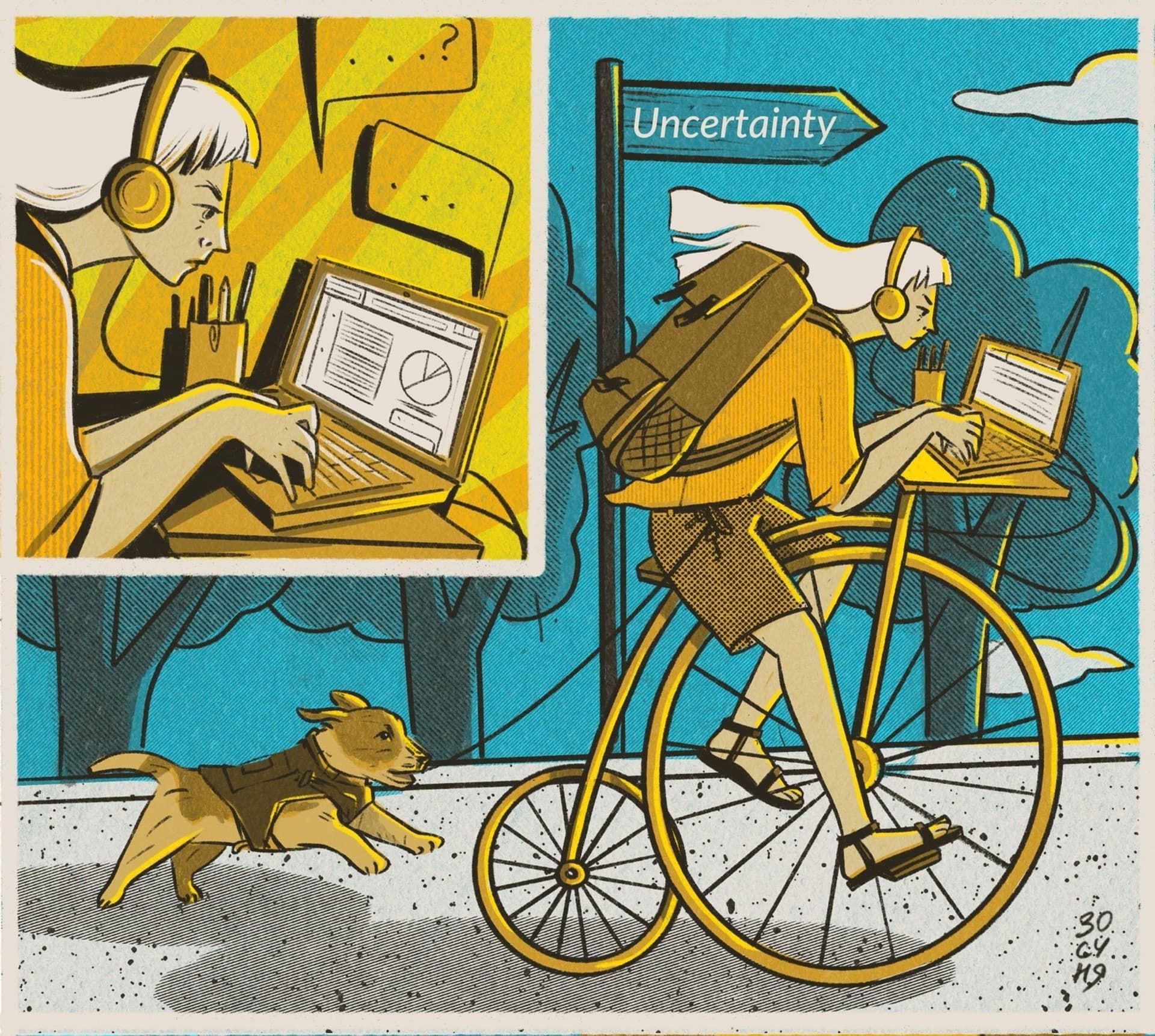
Labor mobility addresses employment mismatches. Millions of Ukrainians will remain abroad for extended periods requiring employment. Many Ukrainian institutions evacuated staff internationally, risking economic capacity and talent retention.
Supply/Demand Gap
- High EU demand for medical, tech, teaching, and childcare workers
- Employment contracts typically require 1+ year commitment while uncertainty persists
- English proficiency (63%) insufficient without local language skills
- Vulnerable populations (disabled persons) disproportionately affected
- Applicants often accept lower-skilled positions
- Cultural integration and language barriers
- Housing shortage
Opportunities
- Flexible work models (gig, digital, remote)
- Reduced refugee assistance costs
- International experience and connections for Ukrainians
- Upskilling and reskilling programs
- Qualified workforce influx
- Transform refugee centers into adaptation centers
War Fatigue — Mental Support
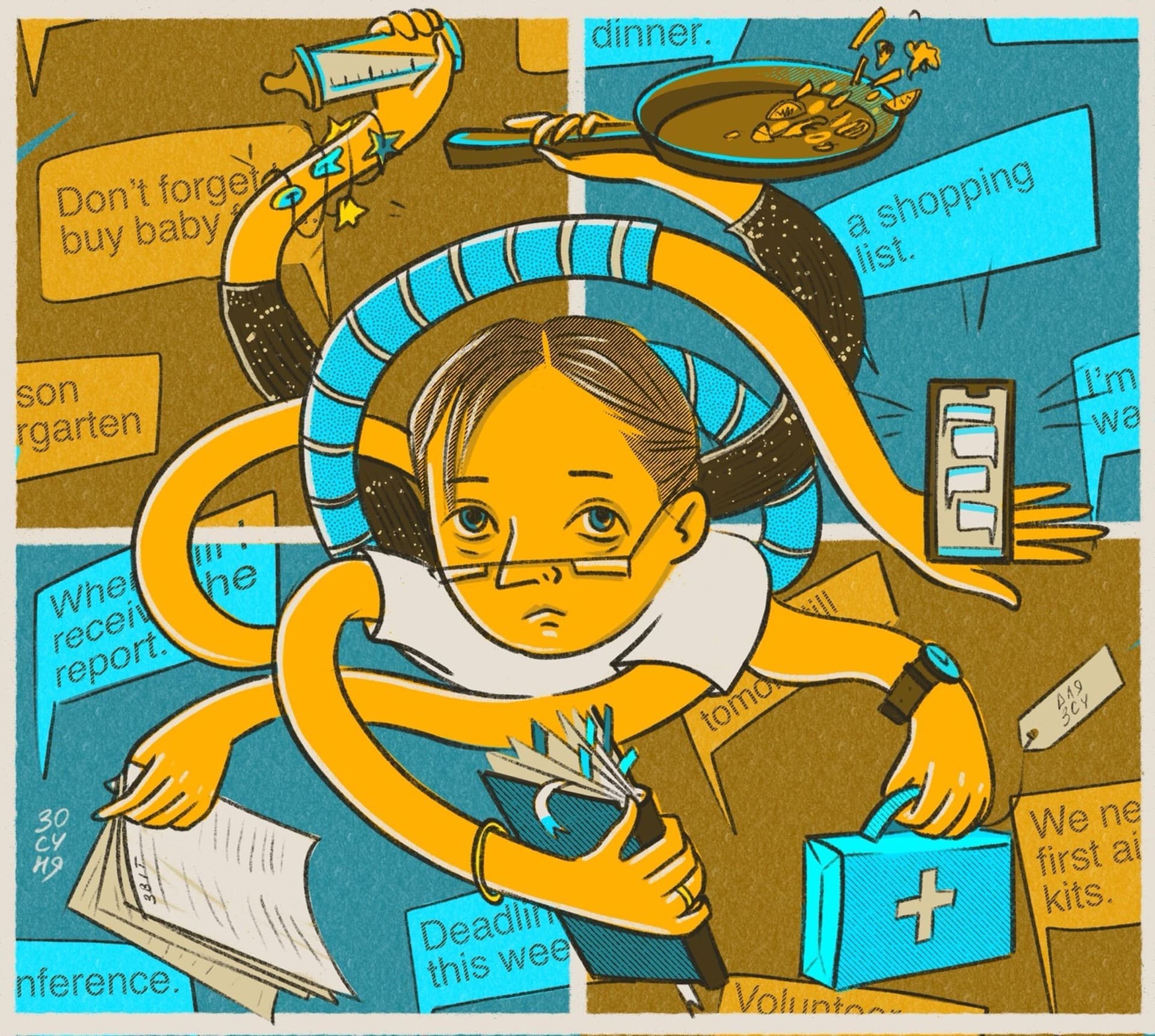
War transformed from adrenaline-driven to chronic fatigue. Most refugees report unhappiness despite safety. Women face mounting pressures and uncertainty. Ukraine's underdeveloped psychological support culture creates barriers; many avoid professional help due to stigma.
Research on Syrian refugees found one-third to one-half affected by PTSD. A 2019 study documented 27% PTSD and 21% depression prevalence among 1.5M internally displaced Ukrainians from 2014 conflicts.
Supply/Demand Gap
- Reduced productivity and work motivation
- Weak professional psychological support culture
Opportunities
- Organizational employee support programs
- Scalable effective psychological interventions
- Peer volunteer support mobilization
Recommendations and Next Steps
Research
- Publish findings
- Release 2–3 publications weekly in partnership with relevant initiatives
- Provide country-specific labor market information
Stakeholder Dialogues
- Announce future dialogues and projects
- Generate ideas and connections from research
- Discuss job acquisition initiatives
Community Incubation Program
- Build 5,000-person community
- Develop socially active community network
- Establish “Impact UA” ecosystem brand
- Collaborate with artists and NFT community
Methodology
Background
In 2020, Impact UA and UNDP Accelerator Lab researched “Changing Nature of Work” for Ukrainian context. This 2022 research expands the focus to wartime labor market conditions.
Environmental Scanning
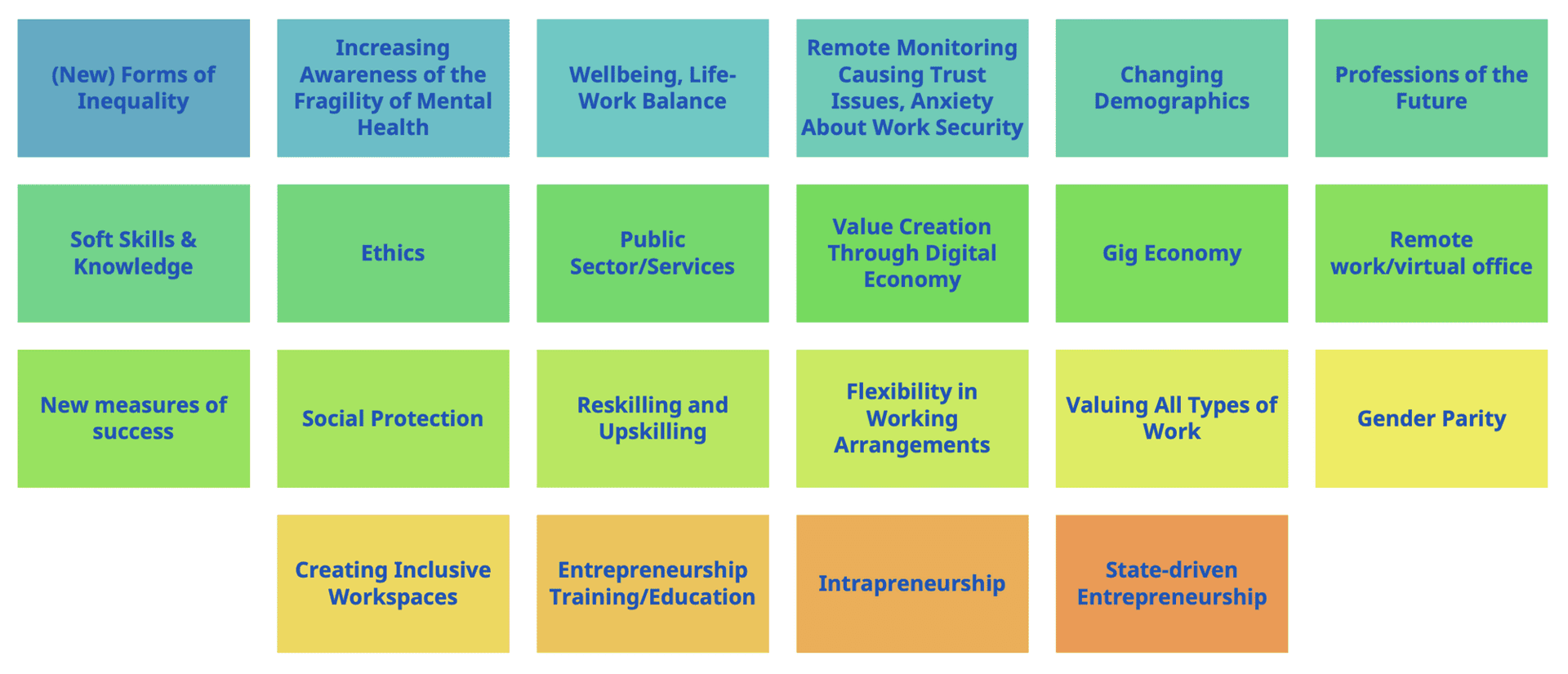
Environmental scanning tracks trends affecting organizational success. This research gathered signals from:
- Interviews with Ukrainian women
- Interviews with support initiatives
- Internet and online sources
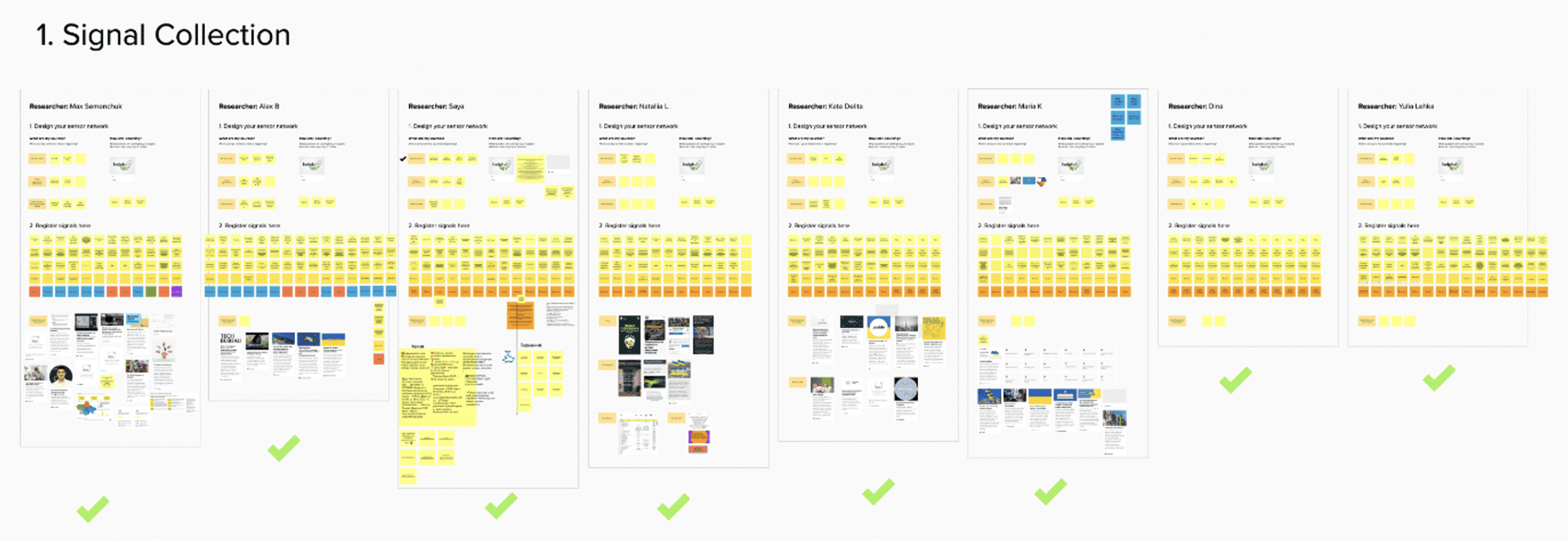
Eight research volunteers recorded 87 signals total.
Interviews
Nineteen interviews with Ukrainian women investigated:
- Emotional responses
- Initial war reactions
- Employment timeline decisions
- Job search barriers
- Alternative income sources
- Return intentions
- Current values and needs
- Adaptation experiences
- Relocation and employment differences
Interviewers received crisis communication training from a crisis psychologist.
Limitations
- “Snowballing” sampling created potential bias within researcher networks
- Limited and unreliable statistical data
- Possible political bias and social pressure
- Perspective skewed toward workers and small enterprises
- War developments and border policy changes could rapidly alter findings
Credits
Organization Lead
Saya Zhaisanbayeva
Interviewer Lead
Yulia Lehka
Facilitation
Max Semenchuk
Communications/Design
Katerina Delita
Illustrations
Sophia Suliy
Editors
Max Semenchuk, Alex Bair, Denys Andrushchenko, Anastasiia Osypenko
Researchers
Alex Bair, Alissa Bankovskaya, Anton Perov, Dina Papamichael, Katerina Delita, Max Semenchuk, Natalia Likhusha, Saya Zhaisanbayeva, Yulia Lehka
Advisors
Evgen Kylymnyk, Oleksiy Moskalenko, Oksana Udovyk (UNDP Accelerator Lab); Katerina Pronoza (Crisis psychologist)
Partners
Impact UA, Support Ukraine Now, UNDP Acceleration Lab, Synchro Space, Happy Monday