
Season reportSeptember – November 2026
Together
at a Distance
On Ukrainians around the world
From 9 September to 11 November 2026, Support Ukraine Now (SUN) ran its fourth (un)conference, Together at a Distance: a series of online meetings in the Open Space format. The programme was created by the participants themselves, together with partners.
We talked about Ukrainians around the world: what a nation is when millions live abroad; integration, rights and children's futures; memory, culture and how to tell the world about Ukraine; and the bond between those who left and those who stayed.
Most sessions were held in Ukrainian. Recordings are in Ukrainian; summaries and key moments on this page are translated.
Recordings and materials by topic
Identity, the state and the diaspora
Voting is open
What does global Ukrainianness look like?
A mirror poll with BRIDGE. Vote on statements about who belongs to the global Ukrainian community and see the results straight away: where we agree, where we differ and which groups of opinion emerge. Anonymous, takes a few minutes. The poll is in Ukrainian.
What is our nation when millions live abroad?

How the Ukrainian nation changes when millions live abroad, and what a partnership between the state and Ukrainians worldwide should look like.
The state and active Ukrainians abroad

30 in-depth interviews with heads of Ukrainian organisations in 12 countries: what communities lack in their connection with the state and what should change.
The future of the diaspora and its role in Ukraine's recovery by 2050
A foresight workshop: participants created “diaspora members of the future” from 2050 and looked for the contribution to Ukraine's recovery that can be made today.

What the demographic crisis means for Ukraine's future and why the state should see Ukrainians abroad as part of the nation.
What unites us? How Ukrainians stay connected to Ukraine

What divides and what unites Ukrainians in Ukraine and abroad, and how the state and communities can meet each other halfway.
A formula for responsible Ukrainianness

The legacy of Bohdan Hawrylyshyn, a Ukrainian who lived in 25 countries and never stopped thinking about what useful thing he could do for Ukraine: a formula for responsible Ukrainianness for the diaspora.
How do we keep future generations of Ukrainians?


How children and young people growing up abroad, in Ukraine and between cultures stay connected to being Ukrainian, and what families, communities and the state can do about it.
 Embassy of Ukrainian Senses
 Valeriy Pekar
 Paul Grod
 Mykhailo Vynnytskyi
 Dzvinka Kachur
 Lesia Ihnatyk Eriksen
The closing meeting of the series: what Ukraine should be like for people to want to live and create there, and what every Ukrainian abroad can do about it right now.
The diaspora as a strategic asset

Takeaways from the SUN table at United Europe Lab in Berlin: seeing the diaspora as a network of professionals, not only an integration challenge. The experience of Armenia, Moldova and Ukraine, the idea of a register of diaspora experts, and an honest conversation about integrating refugees in the EU.
Integration and rights abroad
Integration in Finland: fears for teenagers' future
An open conversation among Ukrainian parents in Finland about temporary protection, language, education and their teenagers' future.
How do you bring young people back from the happiest country in the world?

Young Ukrainians in Finland: loneliness, the uncertainty of temporary protection, and why the goal is not to “bring people back” but to keep them from becoming strangers.
Legal suitcase: the rights of Ukrainians abroad

Lawyers explain how to claim child benefits and accept an inheritance if you live abroad.
Cohesion and inner change
Building peace: a 10-year continuum
 Caritas Ukraine
 Hanna Homeniuk
How to keep society's social fabric intact when war, leaving and returning create new fault lines.
Workshop: between the old and the new me
 Space of Youth Transformations
 Tetiana Korniichuk
A workshop on accepting how you have changed since moving: what to keep, what to let go of, and how to talk without stereotypes.
From loneliness to community: how to find your people
 Nataliia Tymchenko
 Nataliia Cheporniuk
 Svitlana Lytvynenko
Psychologists from Estonia and Switzerland on loneliness after moving abroad: where isolation comes from, how to find your people and how to build your own community.
Art coaching: picture your plan
 Amigos de Ucrania
 Tati Semtsova
An art coaching practice: meeting your own potential in a guided meditation, then a month's goal map with sticky notes, concrete actions and a date for the first step.
Memory, culture and narratives
A National Pantheon of Heroes, with Vakhtang Kipiani
 Khartiia Hub Poltava
 Vakhtang Kipiani
 on the graves of prominent Ukrainians abroad, a register of burials and what communities can do right now.
How to tell the world about Ukraine: new mythology and diplomacy
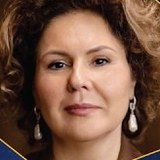

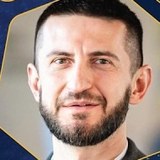
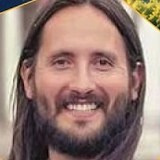
How to talk about Ukraine to the world beyond pain: cultural diplomacy, a new mythology and the role of communities.

A student magazine from Edinburgh on making diaspora voices visible and moving beyond the war narrative (in English).
Ukrainian art in cultural dialogue
 Voice art clubAKAnna Kormysheva
The first session of the Art in Dialogue series: is Ukrainian art seen abroad only through the war, what harms how it is perceived and what helps.
Art in wartime: how to talk about history
Voice art clubAKAnna KormyshevaThe second session of the Art in Dialogue series: lunchtime concerts in wartime London, Matvii Vaisberg's “Road Diary” and why art matters during war.
Stage, screen and a new Ukraine: how culture is changing


Actors and teachers on how Ukrainian theatre and film have changed since 2014 and 2022, and how culture keeps Ukrainians connected wherever they are.
Science, education and professional growth
Bonsai Thinking Game: learning and relearning

Real neuroscience is more than neuroplasticity: metacognition, wholeness as the basis of wellbeing, and the Bonsai Thinking Game about how to learn, unlearn and relearn.
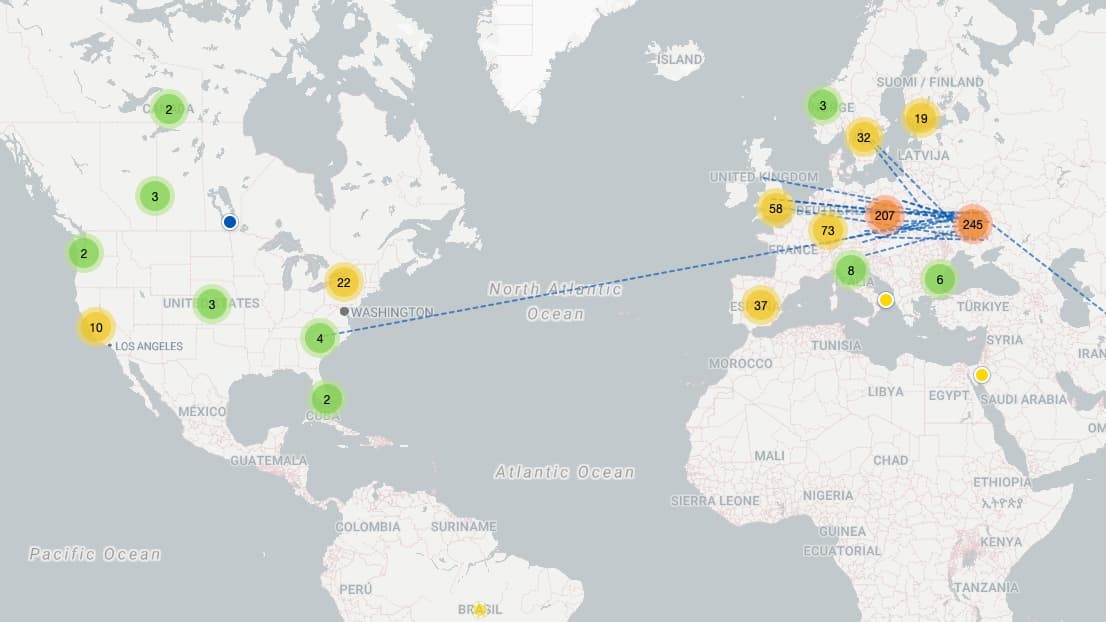
Map of Ukrainian scientists worldwide
The Ukrainian Science Diaspora portal of Ukraine's Ministry of Education and Science maps over 700 researchers (474 abroad and 235 in Ukraine) and 42 research hubs. Find colleagues by field and country, or add yourself to the map.
Map of problems and partners
What came up most often at the meetings, who is already working on it and what is missing. Compiled from ten recordings and the Strichka study; the wording is ours, not speakers' quotes. Working on one of these topics? Write to us and we'll add you to the map.
The state treats us as an object, not part of the nation
- Responsibility for Ukrainians abroad is scattered across agencies, and there is no coherent policy
- The multiple citizenship law has no regulations to implement it, and dozens of rules restrict people's rights
- The state counts on mass return, although demography demands working with all Ukrainians wherever they live
- Unity Hubs are little known and don't exist in every country; pro-Russian organisations operate under the guise of Ukrainian ones
- Consulates rarely help communities grow: volunteer groups are invited to meetings at their own expense, with no mentoring or expert support
Already working on it: Ukrainian World Congress, Frontier Institute, the IDEM platform at the Ministry of Youth and Sports, Unity Hubs, Strichka
What's missing: There is no permanent channel through which communities can influence decisions: according to Strichka, 73% of communities have no working connection with the authorities and 70% get no support from their embassy. Participants in the Embassy's workshop propose a voluntary database of Ukrainian professionals abroad, mentoring from abroad to Ukraine, recognition of qualifications and a connection programme for 15–30-year-olds.
Communities are falling behind today's Ukraine
- Older communities have frozen in the Ukraine they once left, and their institutions are in decline
- Migration waves barely interact, and there is no map of communities and services
- The diaspora's voice is absent from Ukraine's media space, and diaspora experts go unseen even in their host countries
- Everyday worries crowd out cultural life: fewer and fewer people come to Ukrainian events, and children switch to Russian
- Advocacy from abroad lags months behind, because the context in Ukraine changes faster than communities follow it
Already working on it: Ukrainian World Congress, Plast, SUM, Frontier Institute, Embassy of Ukrainian Senses, Dïaspora Journal
What's missing: Programmes for immersion in today's Ukraine, an institution along the lines of the Institut français, a directory of Ukrainian services abroad.
A rift between those who left and those who stayed
- Mutual stereotypes: “they left for the benefits” versus “you don't know what war is”, although most people abroad support themselves
- Arguments about “real Ukrainians”, contribution to victory and language
- Guilt and a sense of alienation in both directions; those whose experience doesn't match the loudest voices stay silent
- Two waves of return (from the front and from abroad) may overlap and deepen the fault lines
- Feeling like a stranger inside Ukraine too: people displaced from the East are blamed for the war, and IDP status counts from 2022 rather than 2014
- Families who took their children to safety, including children with disabilities, are made to feel guilty; participants suggest talking about responsibility and choice rather than guilt
- Whether to count as Ukrainian those who don't speak Ukrainian or left by bypassing the law: participants suggest separating identity, legal responsibility and personal trust
Already working on it: Caritas Ukraine (integration events, a course on Diia.Education), Space of Youth Transformations, Rozmova by SUN and KSE
What's missing: There are almost no regular formats for dialogue between Ukrainians at home and abroad, and the state peacebuilding strategy has stalled.
- What is our nation when millions live abroad? · summary
- What unites us? How Ukrainians stay connected to Ukraine · summary
- Building peace: a 10-year continuum · summary
- Workshop: between the old and the new me · summary
- “A formula for responsible Ukrainianness”, Bohdan Hawrylyshyn Family Foundation · material
- From loneliness to community: how to find your people · summary
- Stage, screen and a new Ukraine: how culture is changing · summary
Integration with no planning horizon
- Temporary protection is extended one year at a time, so families can't plan their children's future
- The language barrier, and demands for flawless language even where it isn't needed
- Without local contacts it is hard for people to show their skills, and for teenagers to find internships
- The Ukrainian community sometimes sees newcomers as competitors
Already working on it: SUper LApset ry (consultations, mentoring), Association of Ukrainians in Finland, Caritas Ukraine
What's missing: Mentoring programmes and networks with local employers exist only here and there.
- Integration in Finland: fears for teenagers' future · summary
- How do you bring young people back from the happiest country in the world? · summary
- A dialogue on experience: adaptation and integration
- Workshop: between the old and the new me · summary
- From loneliness to community: how to find your people · summary
- Art coaching: picture your plan · summary
Rights and paperwork from a distance
- The payment for a child born abroad can only be claimed by post, with an apostille and a translation, within 12 months
- The childcare allowance needs a Ukrainian-format certificate from a family doctor in Ukraine
- An inheritance has to be accepted within 6 months, which is especially hard from the occupied territories
- Men aged 18–60 can only use consular services with their military registration data
Already working on it: Legal Development Network (chatbot, hotline, power of attorney templates), consulates via e-Consul
What's missing: Most procedures are still designed for being physically present in Ukraine.
Young people and future generations
- Children who lose touch with their identity do worse at school
- Hundreds of Ukrainian schools abroad run without state funding, and Plast and SUM are short of youth leaders
- Teenagers put off socialising and fear a “lost year”, and university is not free for them
- Saturday schools can become an anti-experience next to local schools, and lecturing doesn't work; theatre and shared live events land better
Already working on it: Ukrainian World Congress education network, Plast, SUM, SUper LApset ry (NMT entrance test in Helsinki, double degrees), Association of Ukrainians in Finland
What's missing: Stable funding for Saturday schools, training for youth leaders, and education paths that don't force a choice between countries. Participants advise passing on to children the choice of being Ukrainian rather than the pain, and ending school projects on history and culture with a social media post.
- What is our nation when millions live abroad? · summary
- Migration and demography · summary
- How do we keep future generations of Ukrainians? · summary
- Integration in Finland: fears for teenagers' future · summary
- How do you bring young people back from the happiest country in the world? · summary
- “A formula for responsible Ukrainianness”, Bohdan Hawrylyshyn Family Foundation · material
How to tell the world about Ukraine
- A story told only through suffering wears people out, and culture gets reduced to clichés. To avoid that, talk about the language, culture, geography and regional differences, the food: favourite dishes and drinks. With people close to you, share your own feelings, memories and funny stories. Take apart Russian narratives and myths, give realistic information, and mention the war and other hard chapters of history when there is room and interest.
- Russian propaganda is strong where the Russian Empire, and later the Soviet Union and Russia, did active financial and political work, including in Latin America and Africa. Ukraine has no active platforms in these parts of the world, so all the information and outreach work falls on the diaspora and the Ukrainians who live there. Still, in Brazil, the largest country in Latin America, Ukrainian is a co-official language alongside Portuguese in two municipalities of Paraná state, Prudentópolis and Mallet, where around 60–75% of the population are ethnic Ukrainians who have kept their language, culture and traditions.
- Ukrainians abroad wear themselves out explaining basic facts about the war every day. So it matters to allow yourself not to be an information megaphone every day and in every situation, and to share only what you currently have the energy for.
- Diaspora media have influence, a name and the ability to get the truth across, but every year they have to look for money, sponsors and staff: writers, journalists, designers and more.
- Ukrainians of the new wave should talk with pride about today's Ukraine and its democratic values: freedom, free thinking, rights, equality. And about its contemporary culture, architecture, technology and social life, and interesting (ideally positive) traits of the national character, to shape a positive view of the country among foreigners.
- Sympathy doesn't turn into action: people support Ukraine, but passively, because they have enough worries of their own
Already working on it: Ukrainian Institute, Ukraine WOW, Crimean Fig, Embassy of Ukrainian Senses, Dïaspora Journal, Strichka
What's missing: Long-term partnerships with local institutions instead of one-off “Ukrainian days”. 53% of communities counter narratives without state support. Participants advise moving from gratitude to strategic cultural diplomacy: first a connection through a shared interest, then Ukrainian culture.
- Workshop: between the old and the new me · summary
- How to tell the world about Ukraine: new mythology and diplomacy · summary
- Building a Diasporic Hub · summary
- “The state and active Ukrainians abroad”, Strichka · material
- Stage, screen and a new Ukraine: how culture is changing · summary
- Ukrainian art in cultural dialogue · summary
- Art in wartime: how to talk about history · summary
- The diaspora as a strategic asset · material
Memory and heritage
- There is no register of graves of prominent Ukrainians abroad
- In Europe a grave is a lease: if no one pays, it is cleared, and exhumation is expensive
- Names on headstones get anglicised, and memory fades
Already working on it: Ukrainian Institute of National Memory, the Petliura Library in Paris, Diasporiana, Plast, community volunteers
What's missing: A single register and a way to care for graves, and public consensus on the Pantheon.
Get a certificate
Choose your role in the season, enter the email you registered with on Luma, the name for the certificate and a few words about what the season gave you and what you contributed: that is what the certificate will confirm. We'll pull the number of events from your registrations (3+ events earns the “Explorer” badge, 6+ “Catalyst”, 10+ “Community engine”). The PDF is ready right away and is printed in Ukrainian.
Results
Where participants came from
23 countries, from the most people to the fewest
- Ukraine
- Germany
- Poland
- Finland
- United Kingdom
- Austria
- France
- United States
- Kazakhstan
- Lithuania
- Spain
- Türkiye
- Canada
- Netherlands
- Switzerland
- Australia
- Italy
- Montenegro
- Cyprus
- Sweden
- Ireland
- Portugal
- Liechtenstein
Who came and how they heard about us
website form, 65 people; sources among those who answered
Who
- left Ukraine after 202249%
- live in Ukraine11%
How they heard
- social media50%
- friends17%
- had been to our events before10%
A demographic snapshot from one session
questionnaires from 44 people at the session “The future of the diaspora and its role in Ukraine's recovery by 2050”
What participants said at the retro
Season closing, 29 October. Paraphrased from the retro board, which stays open.
What we liked
- the facilitation
- participants' openness and the chance to talk about what matters
- the diversity of the audience and of views
- space for self-reflection
- the format and topics of the meetings
- many active partners
What we learned
- who the active people in the diaspora are
- a vision of global Ukrainianness and the history of migration waves
- what life is like for Ukrainians in other countries
- which needs are pressing right now
What was missing
- a sense of impact
- even more events and participant activity
- energy in communications, so some strong events got little attention
- topic communities between events
- in-person meetings
What we want next
- turn the outcomes into policy
- work together on the human capital of Ukraine's future
- recharge and put ideas into practice
- regular informal meetings
The retro board stays open: tell us what you liked, what was missing and what to do next. No sign-up needed, and you can stay anonymous.
What participants say
In spaces like these people say: “This is my Ukraine.” Both those living in Ukraine and those abroad say they miss this kind of Ukraine right now. Just naming what we are living through makes it easier.
Get involved
Participants
Vote in Rozmova on who belongs to the global Ukrainian community, and get your certificate for taking part in the season.
Partners
Run your own session in the 2027 season. We'll agree on registration in the shared calendar and share your event's numbers with you.
Organisations and experts
Working on one of the topics on the problem map? Write to us and we'll add you to the map and to the upcoming catalogue of diaspora experts.
Donors and public institutions
The gaps on the problem map are the basis of the 2027 plan. We're ready to discuss support for the season and how the findings can feed into policy.
Next, together
- Embassy of Ukrainian Senses: adding to the publications on the National Identity Platform
- an article in Dïaspora Journal
- presenting the foresight results at migration conferences
- Rozmova: the vote continues together with BRIDGE
- this public report: expanding the problem map, the expert catalogue and the recordings
- the 2027 season: groups set priorities by dot voting, with a second vote after discussion, so everyone has a say
Questions and ideas: hello.sun.team@gmail.com
The season team
Yelyzaveta Maksymova
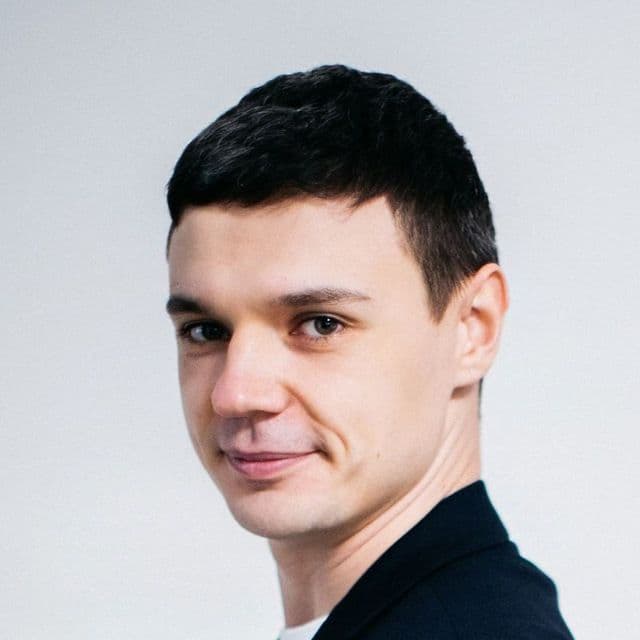
Anna Kovalenko
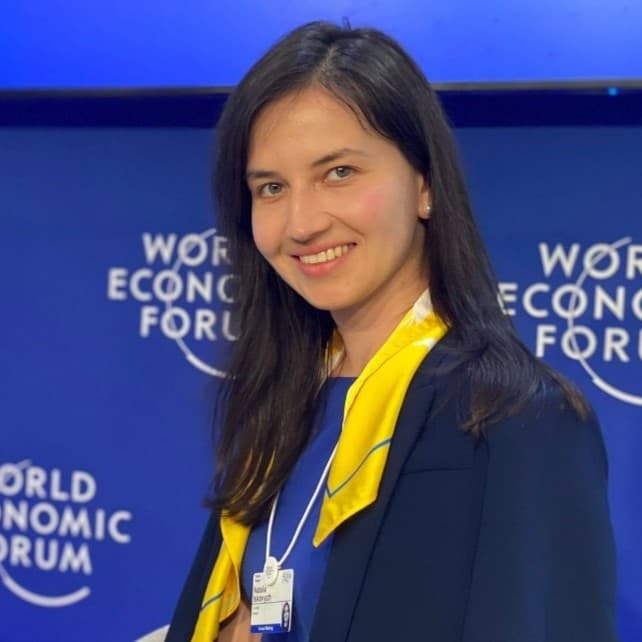
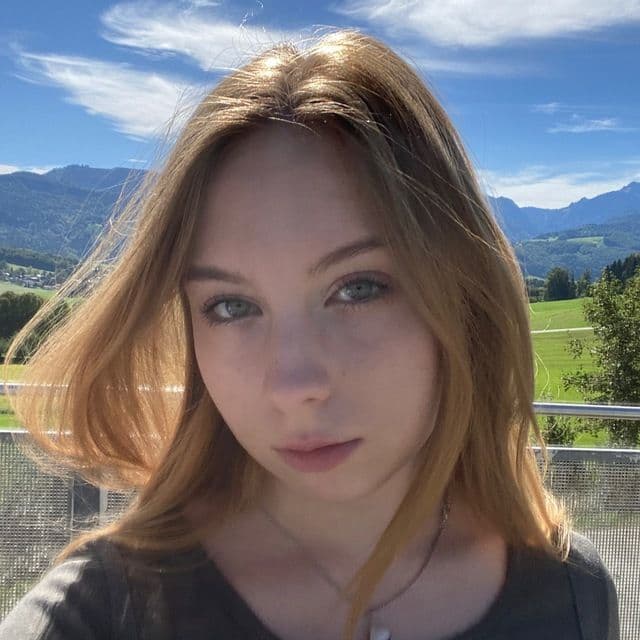

Hordii Lukianenko
Oleksandra Kurkova
Kristina Turanska
Sofiia Chyhyryn
Polina Aladina
Thank you





- The Embassy of Ukrainian Senses for a series of events and closed discussions, and for taking the season's outcomes into policy recommendations for the diaspora
- Vakhtang Kipiani and Khartiia Hub Poltava for the lecture on a National Pantheon of Heroes, one of the season's biggest events
- Anna Kormysheva for the art sessions and for once again taking an active part in the (un)conference
- Natalia Iskovych for facilitating the opening and supporting everything we do
- The team for communications, help with partner events and months of work
- Participants for your openness, your feedback on the retro board and for becoming bridges between communities
Everyone contributed something: a contact, an idea, content, a session in the calendar, facilitation, translation and help with partner events, communications and design, recordings, spreading the word in their communities, feedback on the retro board. Thank you to everyone who was with us this season.